Selecting the right window for noise reduction
From disrupted sleep patterns and heightened stress levels to cognitive impairments and cardiovascular problems, the adverse effects of excessive noise can be far-reaching (read more here). As urban areas become denser, the need for noise control regulations becomes more imperative.
Volume One of the National Construction Code (NCC) covers the internal acoustic considerations for multiple dwellings Class 2, 3 and 9c buildings in Australia, but does not provide specific guidance for other building types. In some circumstances, such as near main roads and airports, additional requirements may be needed. These are generally covered by Local Government authorities who are empowered to establish specific decibel limits for residential, commercial, and industrial areas.
Urban planning, construction, and infrastructure development requirements have become more stringent in compliance with these noise control regulations. Installing the right window system can provide effective sound insulation solutions. But what is the “right” window for noise reduction? When specifying windows, architects, designers, and construction managers must first determine the level and nature of external noise, the indoor noise level requirements for the building, and tested data on sound reduction for various glass and window combinations.
The Weighted Sound Reduction Index (Rw) is a crucial acoustic performance metric measured in decibels (dB). It is used in the construction industry to assess the effectiveness of building materials such as walls, floors, or windows in reducing sound transmission. A higher Rw value indicates superior sound insulation, meaning that the building is more efficient at blocking noise from entering or escaping specific spaces. For example, to determine the appropriate sound insulation for classroom windows, if the maximum acceptable level in the room is 40dB and the outside noise level is 75dB, then the recommended glass should have a required Rw value of 35dB or above.
Windows are often seen as one of the weakest elements in a building’s fight against unwanted noise. Ultimately, there are two key considerations to ensure excellent sound insulation:
1. Avoiding air gaps with quality sealing
Noise infiltration occurs primarily due to gaps, even minor ones, which can lead to significant noise transmission. High-quality seals can minimise the presence of these gaps. Sound can also pass through windows when sound waves strike the external glass surface, causing the glass to vibrate and generate sound internally. To ensure sound insulation, windows should be precisely fitted into their frames and sufficiently sealed.
2. High-performance acoustic glazing
Acoustic glazing pertains to laminated glass comprising multiple panes with an acoustic interlayer. This specialised interlayer is specifically designed to absorb sound and prevent vibrations from passing through the glass. Acoustic-glazed laminated glass is proven to effectively reduce sound waves, resulting in a substantial improvement in noise reduction compared to standard laminates.
In meeting the challenges of sound insulation whilst improving ventilation for healthier living spaces, technological advancements have created the ideal solution: high-performance louvre window systems.
Superior sound insulation with Safetyline Jalousie
Revolutionary strides have been made in designing louvre windows with exceptional sound insulation. Safetyline Jalousie is the recognised leading driver for these developments.
What makes Safetyline Jalousie’s louvre windows stand out from the rest? The performance rating of Safetyline Jalousie’s louvre window frame with 6.38mm laminate glass indicated a weighted sound reduction index of Rw (C;Ctr) = 33 (0;-1) dB. This is based on stringent tests conducted at the National Acoustic Laboratories in compliance with Australian Standard AS 1191-2002.
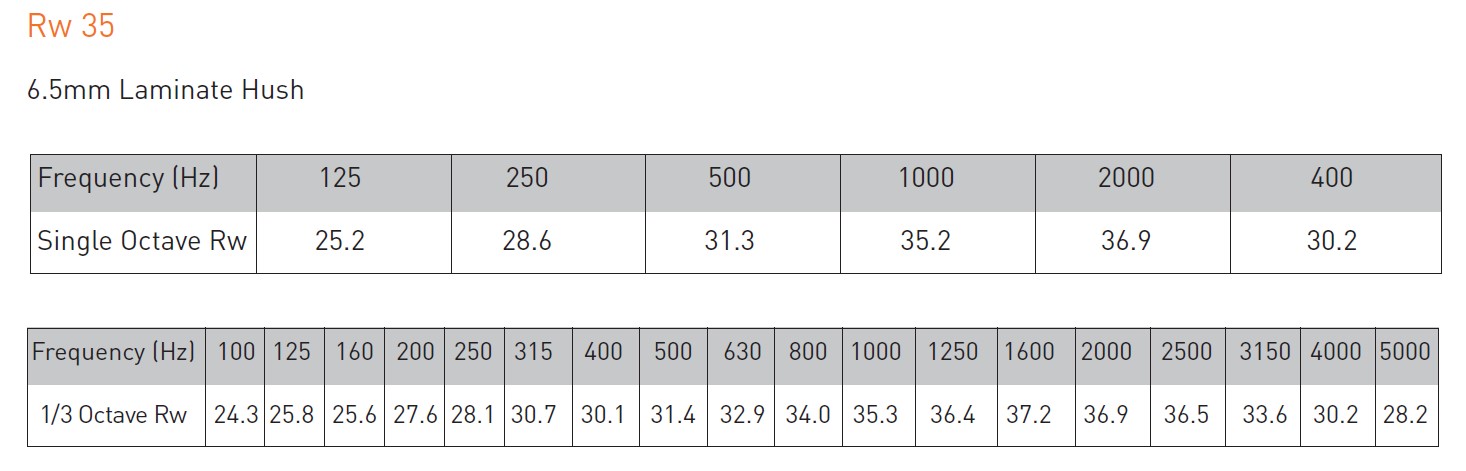
Pushing the envelope further, Safetyline Jalousie’s louvre window with Viridian 6.5mm VLam™ Hush laminate glass has been proven to increase sound insulation by a further 6%. VLam™ Hush’s specially developed interlayer can effectively dampen noise, reducing outside sound by 34% with an incredible weighted sound reduction index of 35dB versus ordinary glass. Refer to the table below for Safetyline Jalousie’s Airborne Sound Insulation measurement details and results;
Reinforcing Safetyline Jalousie’s high performance in sound insulation is the use of marine-grade seals, with a Water Penetration Resistance of 800pa. In the context of noise reduction, this serves as a crucial component in sealing gaps for a flawless window installation that can significantly contribute to optimum sound insulation.
Successful sound insulation projects with Safetyline Jalousie
Given its remarkable sound insulation properties, it’s no wonder that Safetyline Jalousie is the preferred choice specified by architects and construction managers in supplying louvre windows for buildings that are constantly exposed to high noise. Here are among the numerous successful projects that employ Safetyline Jalousie’s high-performance, noise-reducing louvre windows.
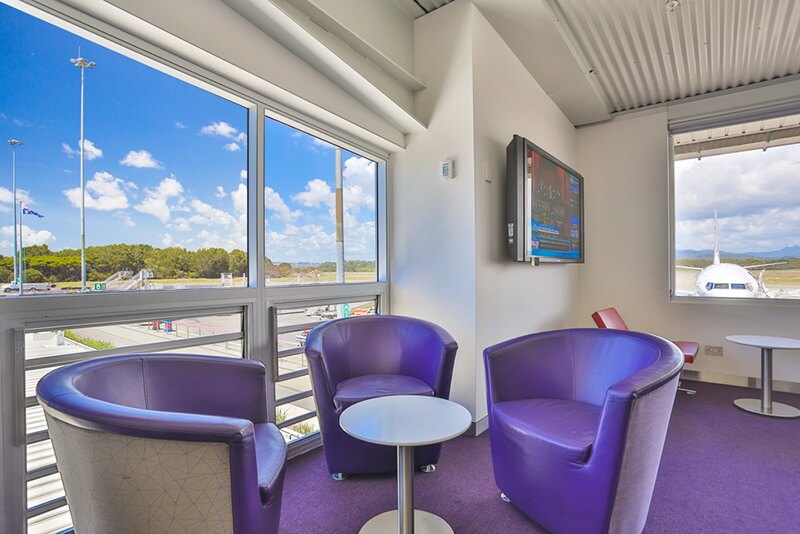
Virgin Lounge, Gold Coast Airport, QLD
Safetyline Jalousie’s louvres helped fulfil the architect’s intent to create a relaxing space for travellers. Its aesthetic appeal complemented the building’s design whilst eliminating loud external aircraft noise. Read more details here.
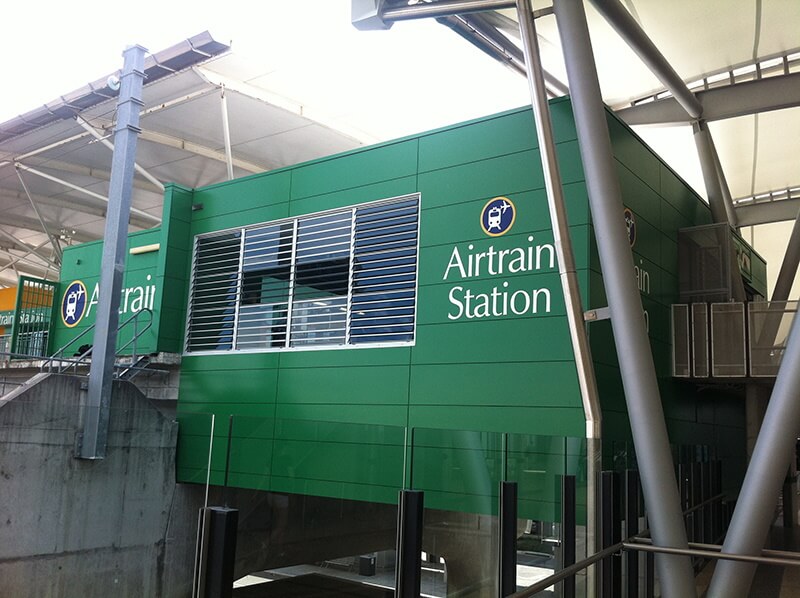
Airtrain Citylink QLD
W.I.M. architects behind the building’s design were very particular about specifying windows with the appropriate acoustic performance to manage the high level of aircraft noise. Safetyline Jalousie’s louvre window systems met their expectations across the board. Read more details here.
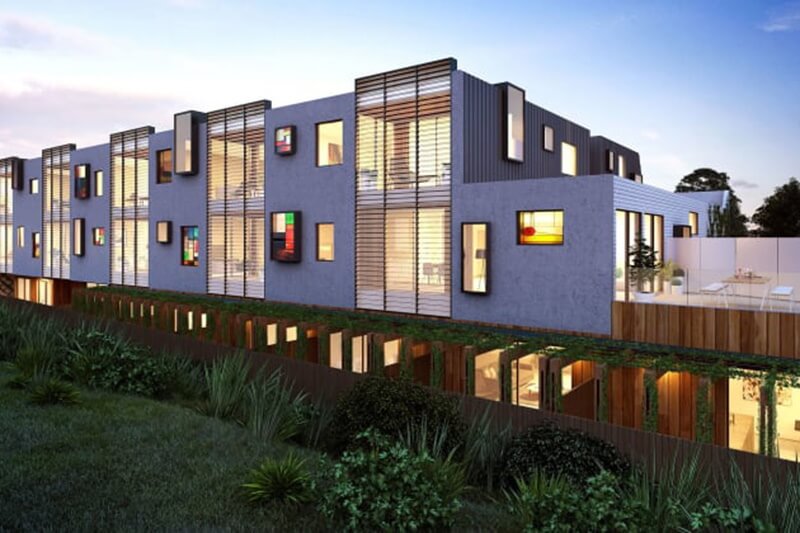
85-101 Maling Road, Canterbury VIC
The project developers of this multi-residential property required windows with strong sound insulation performance, due to its location near Canterbury Train Station. Safetyline Jalousie’s louvre windows with air and watertight seals helped to create a comfortable living environment. Read more here.
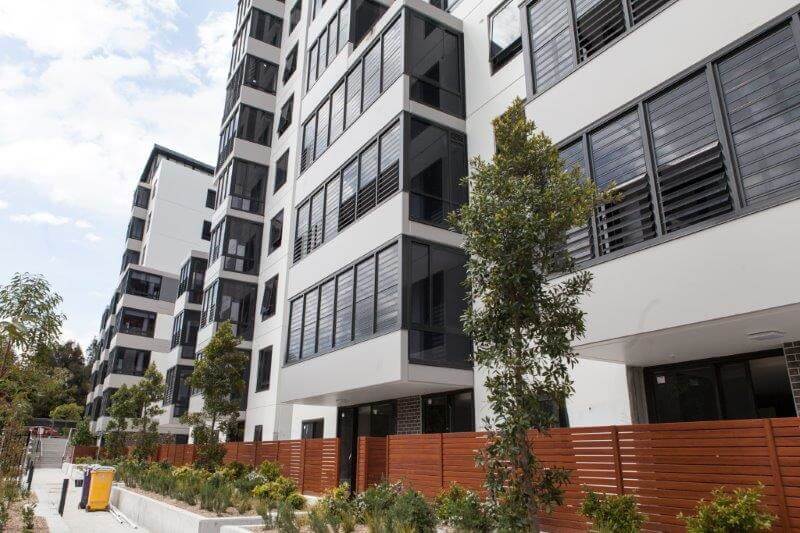
Meriton Luna Apartments Lewisham, NSW
Architectural firm PTW specified Safetyline Jalousie’s louvre window systems for meeting their design requirements: wide spans, compliance to Railcorp’s strict regulations, and impressive acoustic performance. Read more here.
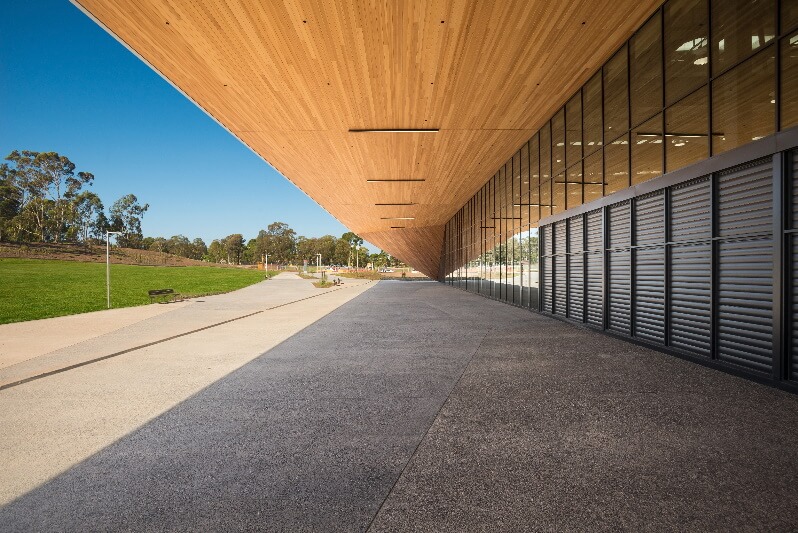
La Trobe Sports Stadium, VIC
In designing the stadium, Warren and Mahoney Architects had to consider how to manage the noise that was being amplified out. Safetyline Jalousie’s louvre windows provided the solution, supported by test data results of the required sound reduction. Read more here.
For cutting-edge louvre window systems with exceptional sound insulation performance, call Safetyline Jalousie or 1300 863 350 or fill out our contact form. You’ll receive expert guidance and personalised assistance in selecting the perfect louvre windows that meet your specific noise reduction needs.